

Holiday celebrations—especially around Independence Day and New Year's Eve—frequently bring fireworks into Florida residential neighborhoods. While residents look forward to the festivities, for property managers and real estate investors, backyard pyrotechnics represent a massive financial and legal hazard.
From devastating structure fires to severe liability claims, unmanaged firework usage can turn your investment property into a legal battleground in a matter of minutes. According to Florida rental law insights from the legal experts at Heist, Weisse & Wolk, PLLC, here is what you need to know to protect your asset.
1. The Reality of Florida Firework Laws
Many landlords assume that dangerous fireworks are naturally restricted. In reality, Florida laws have unique loopholes. While aerial bombs, large rockets, and exploding devices are legally restricted to specific uses (like agricultural bird-scaring or track illumination), retail stores easily circumvent this. By simply signing a waiver promising the items are for an exempted purpose, anyone over 18 can walk out with up to 500 grams of gunpowder.
Because these powerful items are highly accessible, thousands of people are hospitalized annually, and millions of dollars in property damage occur due to firework-related fires.
2. The Danger Area: Most Leases Are Silent
The biggest hurdle in the property management industry is that standard lease agreements completely ignore the topic. If your current lease does not explicitly prohibit or even mention fireworks, you have very little recourse if your residents start launching aerial rockets from the driveway or patio.
Condo boards, HOAs, and neighbors will hold you accountable for the disruption, but without proper lease language, enforcing compliance becomes a nightmare. Landlords need to update their lease agreements to explicitly restrict possession and usage on the premises.

3. Can Landlords Be Held Liable?
Yes. If fireworks set off on a property you manage injure a tenant’s guest, a neighbor, or a passerby, your management company or ownership entity can absolutely be held liable—especially if you had knowledge of the activity and failed to enforce community safety standards. Furthermore, if a resident commits a crime by violating local county or city firework prohibitions, you face severe friction with municipal authorities.
4. Proactive Management and Enforcement
Updating your future lease agreements is an excellent first step, but what about current tenants? Legal experts note that adding a firework restriction to your community guidelines or rules and regulations during an active lease term is generally viewed as a reasonable change by judges. However, you must formally notify every single resident in writing.
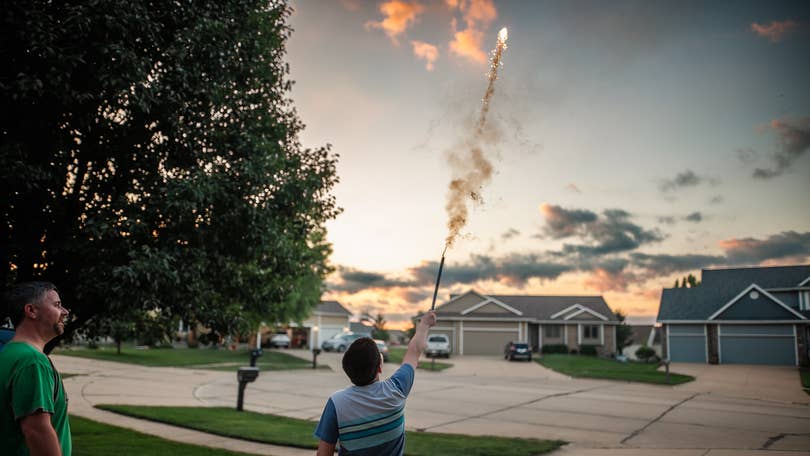
To effectively mitigate risk, take these steps before major holidays:
Send Written Warnings: Distribute a formal notice or email to every resident detailing the firework prohibition and stating your intent to enforce it strictly.
Staff Accountability: Ensure your on-site staff, maintenance teams, and vendors lead by example; if a tenant catches staff breaking the rule, enforcement capabilities disappear.
Active Inspections & Patrols: In multi-family or dense communities, have staff actively monitor and patrol the common areas during peak holiday periods to stop violations before an accident happens.
Protect Your Real Estate Asset Before the Next Holiday
Evicting a tenant for a firework violation after the damage is done is incredibly difficult. Prevention requires robust lease terms and proactive property oversight. At Bahia Property Management, we handle tenant relations, strict rule enforcement, and routine inspections so you never have to worry about unmanaged risks burning through your profits.
Connect with Bahia Property Management Today or call us at +1 407-956-5441 to find out how our professional property management services protect your Florida investments year-round.